
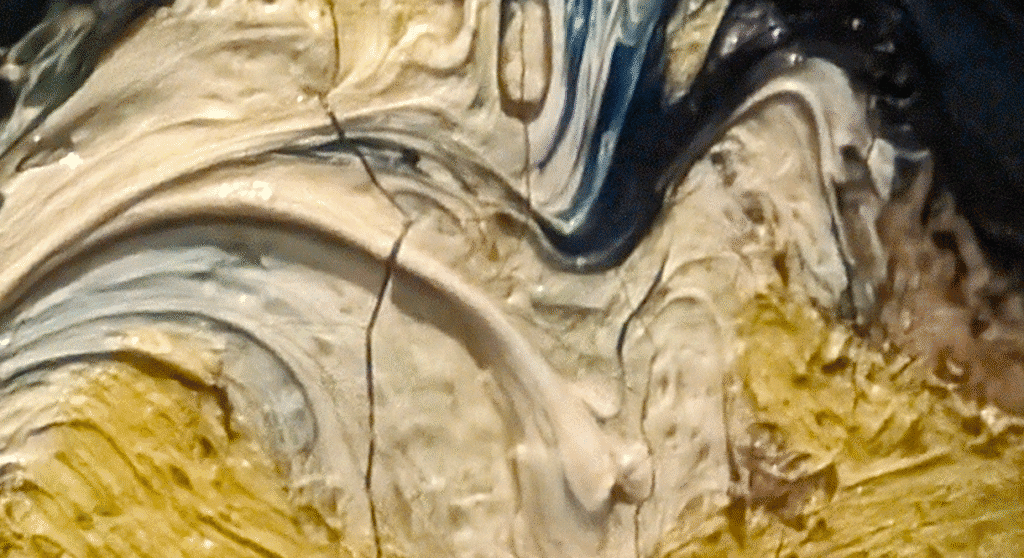
Please join Dr Victoria Beltran in this fascinating webinar to learn how novel spectroscopic techniques are revolutionizing art analysis, allowing conservators and researchers to unlock centuries-old secrets hidden within delicate artwork through the power of Optical Photothermal Infrared (O-PTIR) Spectroscopy.
Traditional art analysis faces critical limitations when examining historical artwork—sample extraction must be extremely minimal to preserve artistic integrity, conventional techniques struggle with microscopic samples, and faded or degraded pigments often resist identification using standard methods. These constraints have long frustrated conservators seeking to understand original artist intentions and develop proper preservation strategies.
Optical Photothermal Infrared (O-PTIR) Spectroscopy is transforming art conservation.
This breakthrough technique enables non-destructive, high-resolution analysis of microscopic art samples, providing crucial insights where conventional techniques fall short. O-PTIR delivers unprecedented sensitivity for faded pigment identification in samples smaller than human hair, finally making it possible to unlock the secrets of historical artwork without compromising their preservation.
Join us to discover how O-PTIR is revolutionizing art conservation and analysis—enabling conservators to recreate original appearances and develop targeted preservation strategies for priceless cultural heritage.
Webinar Highlights: ✅ Microscopic Sample Analysis – Analyzing samples measuring just 200 by 25 microns (smaller than human hair) with exceptional detail
✅ Faded Pigment Identification – Breakthrough capability to identify original pigments in severely degraded artwork
✅ Non-Destructive Analysis – Minimal sample requirements preserving the integrity of priceless historical artwork
✅ O-PTIR vs. Conventional Methods – Superior performance over traditional spectroscopic techniques for art analysis
✅ International Collaboration – Case study from University of Antwerp, Rembrandt Museum, and French research partners
✅ Conservation Applications – Real-world examples of recreating original appearances and preventing further degradation
✅ Historical Insights – Unlocking centuries-old artistic secrets and techniques through advanced spectroscopy
Who Should Attend? 🎨 Art Conservators – Professionals preserving paintings, sculptures, and historical artifacts
🏛️ Museum Specialists – Curators, researchers, and technical staff working with cultural heritage collections
🔬 Cultural Heritage Scientists – Researchers applying scientific methods to art and archaeological materials
📚 Art Historians – Scholars investigating artistic techniques, materials, and historical contexts
🧪 Analytical Chemists – Scientists developing advanced methods for cultural heritage analysis
⚡ Conservation Students – Future professionals learning cutting-edge analytical techniques for art preservation
Don’t miss this opportunity to witness how science is preserving our cultural heritage!